
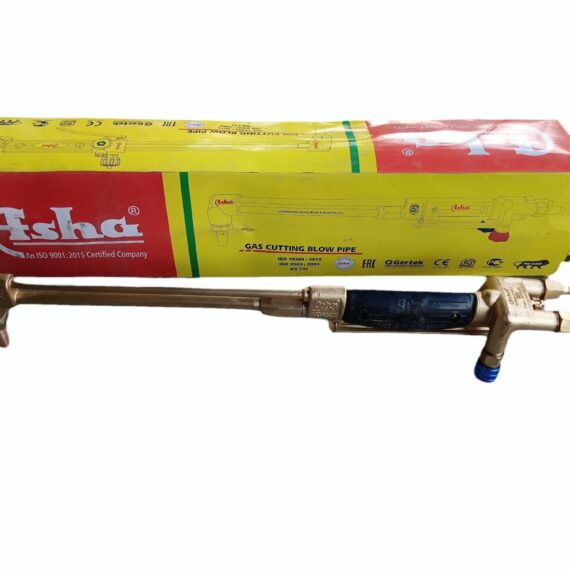


Description
Gas cutters are versatile tools used in various industries and workshops, prized for their precision and power. These remarkable devices utilize a mixture of fuel gas and oxygen to produce a high-temperature flame, capable of cutting through a wide range of materials. In this comprehensive guide, we will explore the fascinating world of gas cutters, from their history and components to their applications and safety measures.
A Brief History
The concept of using gas to cut materials dates back to the late 19th century when French engineer Edmond Fouché and his associate Charles Picard developed the oxy-fuel cutting process. They found that by combining oxygen and acetylene, they could create a high-temperature flame that could cut through iron and steel. This discovery laid the foundation for the development of modern gas cutting technology.
The Components of a Gas Cutter
Gas cutters consist of several key components that work in tandem to generate the intense heat necessary for cutting through materials. The primary components include:
- Gas Cylinders: Gas cutters require two gas cylinders – one containing oxygen and the other containing a fuel gas like acetylene, propane, or natural gas. These gases are supplied to the cutting torch.
- Regulators: Regulators are used to control the pressure of the gases as they flow from the cylinders to the torch. Proper pressure regulation ensures a stable and efficient flame.
- Hoses and Hose Connectors: These are the conduits that transport the gases from the cylinders to the cutting torch. High-quality hoses and connectors are essential for safety and performance.
- Cutting Torch: The cutting torch is the heart of the gas cutter. It mixes the fuel gas and oxygen in precise proportions and directs the flame onto the workpiece. The torch features a nozzle that can be adjusted to control the flame’s size and shape.
- Ignition System: Gas cutters use a variety of ignition methods, including friction igniters, electrical ignition, or built-in pilot flames. These systems ignite the fuel gas and oxygen mixture to create the cutting flame.
- Gas Supply System: Gas supply systems, including flashback arrestors, check valves, and filters, ensure the safety and reliability of the gas cutter.
Applications of Gas Cutters
Gas cutters are used in a multitude of industries due to their ability to cut various materials with precision and speed. Some common applications include:
- Metal Fabrication: Gas cutters are frequently used in metalworking industries to cut, shape, and weld metals. They are indispensable in the construction of structures, manufacturing of metal components, and repairs.
- Shipbuilding: Gas cutters are vital tools in shipyards, where they are used to cut and shape the steel plates and sections required for building and repairing ships.
- Demolition: In the construction and demolition industry, gas cutters are employed to dismantle large structures, cut through reinforced concrete, and remove unwanted metal components.
- Automotive Repairs: Gas cutters are used in automotive repair shops for various tasks, such as cutting out rusted sections of a vehicle’s body, removing exhaust systems, and making precise cuts on car frames.
- Scrap Metal Recycling: Recycling facilities use gas cutters to cut and process large pieces of scrap metal into manageable sizes for recycling.
- Artistic Metalwork: Artists and metal sculptors utilize gas cutters to create intricate and detailed metal sculptures and artworks.
Safety Measures
Using gas cutters involves working with highly flammable gases and extremely high temperatures. Therefore, safety measures are of paramount importance. Here are some essential safety tips when using gas cutters:
- Proper Ventilation: Always work in a well-ventilated area to prevent the accumulation of potentially explosive gases. Ensure that there are no flammable materials or open flames nearby.
- Personal Protective Equipment (PPE): Wear appropriate PPE, including flame-resistant clothing, safety glasses, gloves, and a welding helmet with a dark lens to protect against intense UV and infrared radiation.
- Inspect Equipment: Regularly inspect hoses, connectors, and regulators for damage or leaks. Replace any faulty components immediately.
- Secure Gas Cylinders: Gas cylinders should be stored upright and securely fastened to prevent tipping or falling.
- No Smoking: Smoking is strictly prohibited in areas where gas cutters are in use, as it poses a severe fire hazard.
- Fire Extinguishers: Keep fire extinguishers and other fire-fighting equipment nearby and ensure that personnel are trained in their use.
- Follow Operating Procedures: Adhere to the manufacturer’s instructions and operating procedures for the gas cutter, including setting the correct gas pressures and using the appropriate cutting tips.
- Leak Checks: Before igniting the torch, perform a leak check using a soapy water solution to detect any gas leaks.
- Flashback Arrestors: Install flashback arrestors on both the oxygen and fuel gas lines to prevent dangerous flashbacks into the hoses.
- Emergency Procedures: Be aware of emergency shutdown procedures and escape routes in case of accidents or gas leaks.
Conclusion
Gas cutters have played a crucial role in the development of numerous industries and have become indispensable tools in metalworking, construction, shipbuilding, and many more. Their ability to cut through a variety of materials with precision and power has made them a staple in workshops worldwide. However, their operation requires strict adherence to safety protocols to prevent accidents and ensure the well-being of operators.
Understanding the history, components, and applications of gas cutters is essential for anyone working with these powerful tools. By following safety guidelines and proper procedures, gas cutters will continue to be valuable assets in the world of industry and craftsmanship, shaping a wide range of materials and fueling progress in numerous fields.
Related products




Reviews
There are no reviews yet.