

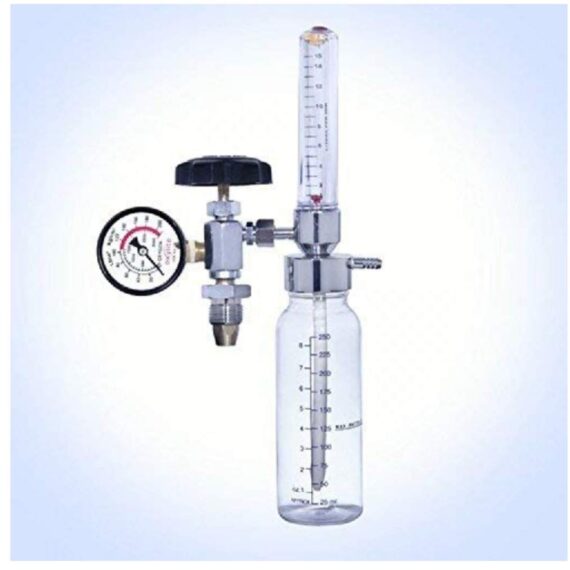


Description
Understanding Medical Cylinder Regulators: A Comprehensive Guide
A medical cylinder regulator is a vital device employed to reduce high-pressure gas from a cylinder to a safe and effective lower pressure for medical applications. This equipment plays a critical role in various medical settings, including hospitals, clinics, and ambulances.
Medical cylinder regulators are typically designed with two stages. The initial stage lowers the high-pressure gas from the cylinder to a medium pressure, while the second stage further reduces it to a low pressure suitable for medical use.
Durability is a key attribute of these regulators, with materials such as brass or stainless steel being commonly used. Additionally, they are equipped with safety features like relief valves, which serve to prevent leaks and potential explosions.
Two primary types of medical cylinder regulators exist: single-stage and double-stage. Single-stage regulators reduce pressure in one step, whereas double-stage regulators perform this task in two steps. Double-stage regulators are favored for their efficiency and consistent gas flow.
Medical cylinder regulators are primarily used with medical gases like oxygen, nitrous oxide, and carbon dioxide. However, they can also find application with other gases such as nitrogen and helium.
When selecting a medical cylinder regulator, several key considerations must be taken into account:
- Type of Gas: Different gases have distinct pressure ratings and flow requirements. It is imperative to choose a regulator that is compatible with the specific gas in use.
- Flow Rate: The required flow rate, indicating the gas delivery per unit of time, should guide regulator selection. Ensure the chosen regulator can meet the necessary flow rate.
- Pressure Rating of the Cylinder: Verify that the regulator’s pressure rating equals or exceeds the cylinder’s pressure rating to guarantee safe operation.
- Cylinder Size: The size of the cylinder directly influences the regulator size required.
- Regulator Material: Regulators should be crafted from durable materials capable of withstanding the high pressures and temperatures associated with medical gases.
- Budget: Regulator prices can vary widely, ranging from hundreds to thousands of dollars. It is crucial to select a regulator that aligns with your budget.
Prioritizing these factors allows for the optimal selection of a medical cylinder regulator.
When working with medical cylinder regulators, safety measures should never be overlooked:
- Wear Safety Glasses: Safety glasses are essential when handling cylinder regulators.
- Avoid Damaged or Leaking Regulators: Never use a regulator that is damaged or leaking.
- Proper Installation: Ensure the regulator is correctly installed and securely fastened.
- Avoid Over-Tightening: Do not over-tighten the regulator.
- Regular Inspection: Routinely inspect the regulator for signs of wear and tear.
- Replace Damaged or Leaking Regulators: If a regulator is damaged or leaking, it should be promptly replaced.
By adhering to these safety precautions, the safe and effective use of medical cylinder regulators can be assured.
Related products




Reviews
There are no reviews yet.