

Description
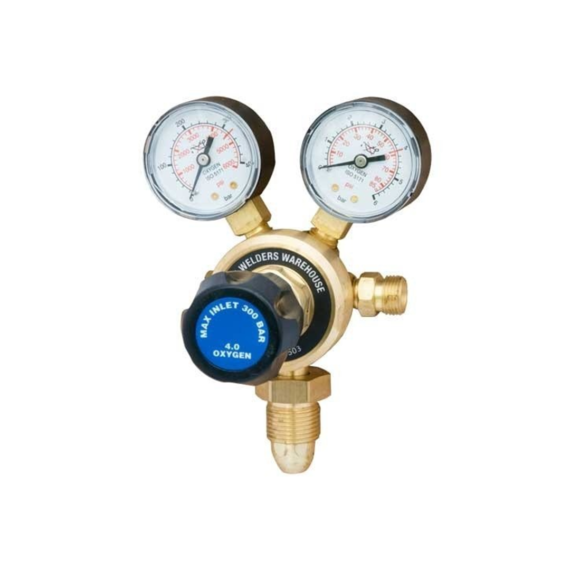
Cylinder pressure regulators are pivotal devices that serve to mitigate the high pressures present in gas cylinders, ensuring a safe and controlled release of gas for a multitude of industrial purposes. These regulators are indispensable in various fields, encompassing welding, cutting operations, and inert gas purging.
An array of cylinder regulators tailored to specific gases and applications is available, with the following being the most prevalent in industrial work:
- Oxygen Regulators: Employed to reduce oxygen gas pressure from cylinders to a safe level suitable for welding and cutting processes.
- Nitrogen Regulators: Designed to lower nitrogen gas pressure to a safe level, ideal for inert gas purging and diverse applications.
- Argon Regulators: Tasked with reducing argon gas pressure to a secure level for welding and cutting tasks.
- Acetylene Regulators: Responsible for diminishing acetylene gas pressure to a safe level, vital for welding and cutting operations.
- Carbon Dioxide Regulators: Utilized to reduce carbon dioxide gas pressure to a secure level, serving numerous functions, including fire suppression and beverage carbonation.
Typically crafted from brass or stainless steel, cylinder regulators comprise two key components: a pressure-reducing valve and a flow control valve. The pressure-reducing valve attenuates the cylinder’s high gas pressure to a safe, manageable level, while the flow control valve governs the gas flow from the regulator to the intended application.
Given their critical role in safety, the selection of the appropriate regulator for the gas and task at hand is paramount. Adhering to the manufacturer’s usage instructions is equally crucial.
Here are additional safety measures to observe when working with cylinder regulators:
- Protective Gear: Wear safety glasses when operating cylinder regulators.
- Regulator Condition: Refrain from using a regulator that displays signs of damage or leakage.
- Gas Flow: Always turn off the gas flow before disconnecting the regulator from the cylinder.
- Storage: Store cylinder regulators in a cool, dry location.
By following these safety protocols, you can ensure the secure utilization of cylinder regulators within industrial contexts.
Beyond the safety tips, consider these factors when using cylinder regulators:
- Placement: Install the regulator in an environment shielded from extreme temperatures and vibrations.
- Maintenance: Regularly inspect and maintain the regulator to verify its optimal functionality.
- Replacement: If a regulator exhibits damage or wear, promptly replace it.
By heeding these guidelines, you can prolong the lifespan of your cylinder regulator while upholding its safe operation.
Should you have any additional requests or inquiries, please do not hesitate to reach out.


Reviews
There are no reviews yet.