

Description
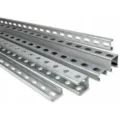
C-channel gauges, available in a range of thicknesses including 16G, 18G, 20G, 22G, and 24G, are fundamental components used in construction, manufacturing, and various structural applications. These versatile profiles, often referred to as “C-channels” due to their shape, serve as essential support structures and framing elements. In this article, we will explore the significance and applications of C-channel gauges in structural support and construction.
1. **Structural Support:** C-channel gauges are widely employed in construction for their strength and versatility. They serve as primary structural members, providing support and stability to buildings, bridges, and various infrastructure projects.
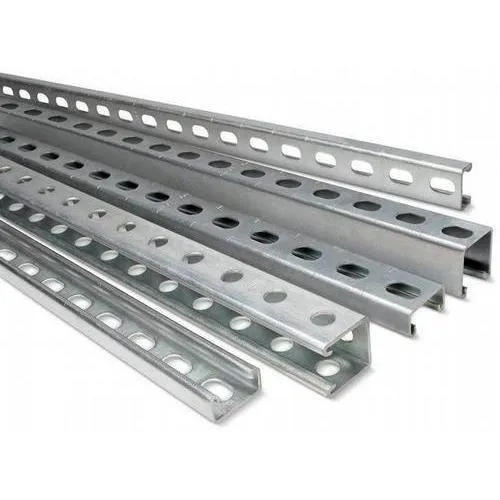
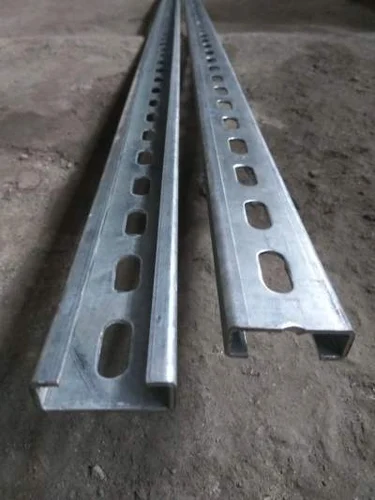
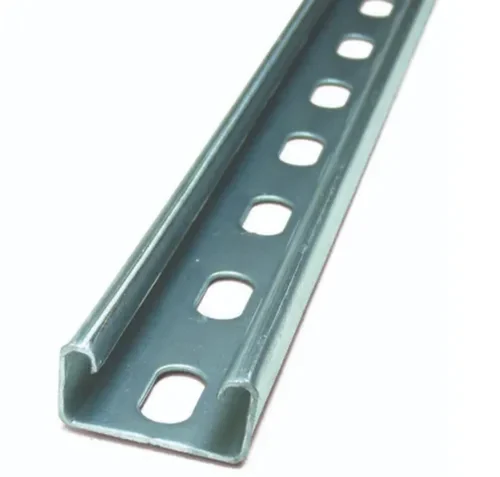
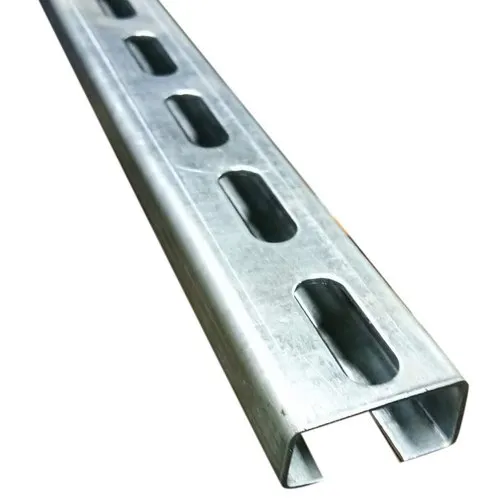
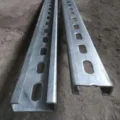
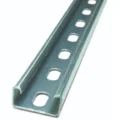
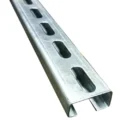
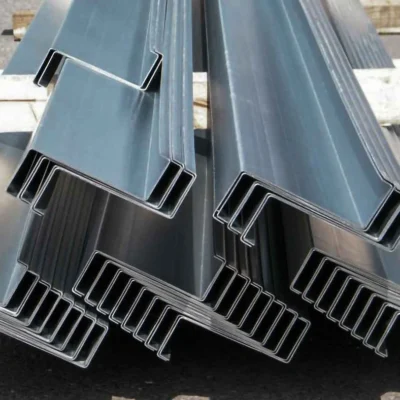
2. **Shape and Design:** C-channels are characterized by their distinctive “C” shape, which consists of a flat back and two perpendicular sides, forming an open channel. This design offers structural rigidity while allowing for efficient material use.
3. **Gauge Selection:** The choice of C-channel gauge is critical in determining the load-bearing capacity and strength of the structure. Common gauge options include 16G, 18G, 20G, 22G, and 24G, each with varying levels of thickness and strength.
4. **Load-Bearing Capacity:** Thicker gauges, such as 16G, 18G, and 20G, are chosen for applications requiring higher load-bearing capacity, such as supporting heavy machinery, beams, or structural components in industrial facilities.
5. **Versatile Applications:** C-channel gauges find diverse applications in construction, including framing walls, supporting roof structures, and creating frameworks for doors and windows. Their adaptability makes them suitable for various architectural designs.
6. **Residential Construction:** In residential construction, C-channel gauges are used for framing walls, ceilings, and floors. They provide stability while allowing for easy installation of insulation, electrical wiring, and plumbing.
7. **Commercial and Industrial Use:** C-channels are essential in commercial and industrial construction, supporting the weight of conveyor systems, storage racks, and mezzanines. The choice of gauge depends on the specific load requirements of the equipment or structure.
8. **Agricultural Applications:** In agriculture, C-channel gauges are used for constructing barns, silos, and other farm structures. They provide robust support for livestock housing and storage facilities.
9. **Customization:** C-channel gauges can be customized to suit project-specific requirements, including length, hole placement, and finish. This adaptability ensures that C-channels can meet the precise needs of various construction and structural projects.
10. **Material Selection:** C-channels are available in various materials, including steel, aluminum, and stainless steel. Material choice depends on factors such as corrosion resistance, weight considerations, and environmental conditions.
Conclusion:
C-channel gauges, available in different thicknesses such as 16G, 18G, 20G, 22G, and 24G, are indispensable components in construction and structural applications. Their versatility, strength, and adaptability make them essential for framing, support, and stability in residential, commercial, industrial, and agricultural projects. The selection of the appropriate C-channel gauge is crucial in ensuring that structures meet load-bearing requirements and provide long-lasting support. Whether used in the construction of buildings, machinery supports, or farm infrastructure, C-channel gauges play a vital role in shaping the world around us.
Related products




Reviews
There are no reviews yet.