

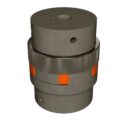

Description
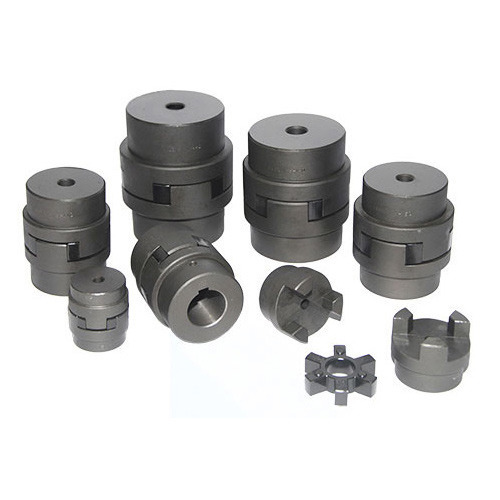
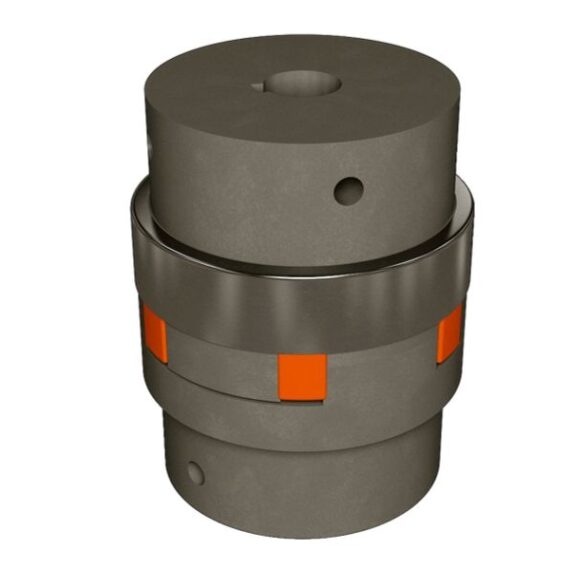
Coupling pulleys play a crucial role in various mechanical systems, enabling the transmission of power and motion between two rotating shafts. These versatile components are used in a wide range of applications, from industrial machinery to automotive systems. In this article, we will delve into the world of coupling pulleys, exploring their types, applications, and the benefits they offer.
Types of Coupling Pulleys
1. V-Belt Pulleys:
V-belt pulleys, also known as sheaves, are among the most common types of coupling pulleys. They have a V-shaped groove that accommodates V-belts, which transmit power between the pulleys. V-belt pulleys are widely used in applications like HVAC systems, conveyor belts, and automotive engines.
2. Timing Belt Pulleys:
Timing belt pulleys are designed to work in conjunction with timing belts. They have teeth or grooves that match the teeth of the belt, ensuring precise synchronization between shafts. These pulleys are commonly used in engines, printers, and CNC machines.
3. Flat Belt Pulleys:
Flat belt pulleys are ideal for transmitting power through flat belts. They find applications in agricultural equipment, textile machines, and some woodworking tools. Their simple design makes them easy to install and maintain.
4. Chain Sprockets:
Chain sprockets are coupling pulleys that work with roller chains. They are widely used in motorcycles, bicycles, and industrial conveyors. Chain sprockets are known for their durability and ability to handle heavy loads.
Applications of Coupling Pulleys
1. Automotive Industry:
Coupling pulleys are integral components in automotive engines, where they transmit power from the engine to accessories like the alternator, air conditioning compressor, and water pump.
2. Industrial Machinery:
In industrial settings, coupling pulleys are used in various machines such as conveyor systems, pumps, compressors, and manufacturing equipment.
3. HVAC Systems:
Heating, ventilation, and air conditioning (HVAC) systems rely on coupling pulleys to drive fans and blowers, ensuring efficient climate control in buildings.
4. Printing Machines:
Printing presses and digital printers use coupling pulleys to synchronize the movement of different components, ensuring precise and high-quality printing.
Benefits of Using Coupling Pulleys
1. Power Transmission Efficiency:
Coupling pulleys provide an efficient means of transmitting power, minimizing energy loss in the process.
2. Smooth Operation:
They help in achieving smooth and controlled motion, reducing vibration and wear on connected components.
3. Versatility:
With various types available, coupling pulleys can be adapted to suit specific applications, making them highly versatile.
4. Cost-Effective:
Coupling pulleys are cost-effective solutions for power transmission, often more affordable than alternative methods.
Conclusion
Coupling pulleys are essential components in numerous mechanical systems, offering efficient power transmission, versatility, and reliability. Understanding the different types of coupling pulleys and their applications can help engineers and manufacturers select the most suitable option for their specific needs. Whether in the automotive industry, industrial machinery, HVAC systems, or printing machines, coupling pulleys play a pivotal role in keeping various systems running smoothly and efficiently.
Related products


Reviews
There are no reviews yet.